


Esports at the IOC-sanctioned 33rd Southeast Asia Games (SEA Games) in Bangkok, Thailand have drawn to a close. Running from December 13-19, 2025, the regional sporting event saw competition in four titles popular across Southeast Asia: Mobile Legends: Bang Bang, Arena of Valor, FC Online, and Free Fire. The SEA Games also included demonstration events involving Moonton’s Magic Chess: Go Go and PlayPark’s Audition Next Level. We note the Games had two fewer esports titles in competition this year compared to the 2023 edition, and, in a departure from prior editions, no PC-specific title at all. That said, this markets the fourth time that esports have been included as a medal sport at the SEA Games.
Niko Partners has been following and analyzing IOC-sanctioned sports events in Asia for a while now, with Niko analysts attending events including the 2018 Asian Games in Jakarta, where esports was a demonstration event, as well as the 2019 SEA Games, where esports first became a medal sport.
We see government-sanctioned events such as the SEA Games and Asian Games as important cornerstones for the esports industry across the region, as participation and recognition helps build awareness among non-gamers and encourages government support for esports businesses, infrastructure, and most importantly, better support for athletes. International esports competitions are a key growth driver in Southeast Asia, where cultural and national diversity add to the excitement of competitive participation. We have previously discussed the wider implications of this trend in detail in our recent Asia & MENA Esports Bulletin, and also note that esports has increasingly embedded itself into youth culture, playing a growing role in community building.
For this iteration of the SEA Games’ esports component, Niko Analyst Nina Kitkrua went to several events, including the men’s matches, where nearly every match-up was fully booked on the same day tickets became available. We note matches were free for attendees through online sign-ups using the LINE platform. All matches were held at Chulalongkorn University in Bangkok; the setup was unique compared to previous editions, with two stages on opposite sides facing each other, and around 150 seats on each side.
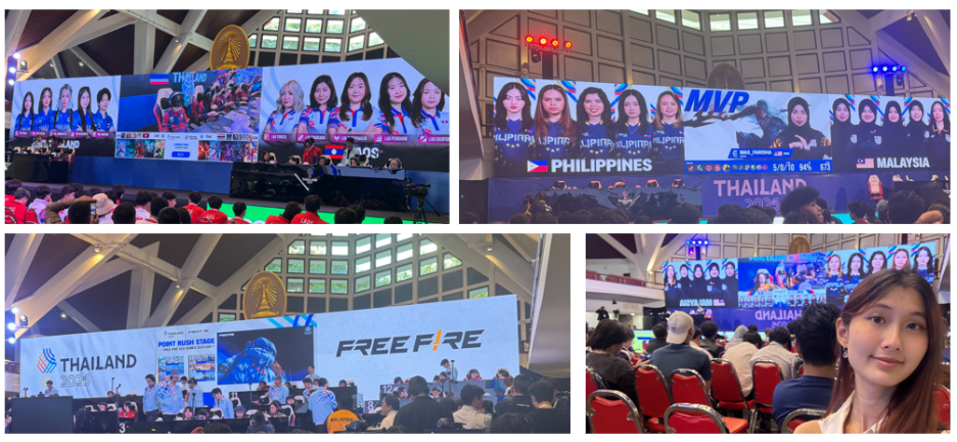
Events Niko observed included the Arena of Valor Women: Bronze Medal match, MLBB Women Semi Final & Gold Medal match, and Free Fire Points Rush matches.
Niko also saw firsthand the incident resulting in the withdrawal of Thailand’s women’s Arena of Valor team due to a confirmed cheating violation. The incident resulted in Santithol Lothong, President of the Asian Electronic Sports Federation (AESF) and the Thailand eSports Federation (TESF), announcing plans to overhaul the national team selection system by shifting from single-tournament championships to a long-term ranking-based approach. Further, Naphat Warasin (widely known as Tokyogurl) was banned from all esports activity and from all Garena tournaments after using unauthorized third-party software or hardware modification at the SEA Games. Team captain Jomkhon Pumsinil (Givemeakiss) publicly described how she identified suspicious behavior during competition and emphasized that no other teammates were involved, stating the team withdrew to uphold sportsmanship and national integrity.
Santithol also reaffirmed TESF’s zero-tolerance stance on cheating and fair play, and confirmed ongoing investigations to prevent similar incidents in the future while Thailand continues to compete in remaining SEA Games esports events. As a result of this scandal, less than 20 people showed up on December 16th for Arena of Valor and MLBB women’s league matches, with most attendees being country representatives / delegates, and not fans/attendees. The scandal is a blow to women’s esports scene in Thailand, which has been less popular than their male counterpart. The final matches for men’s MLBB, Arena of Valor, and Free Fire, however, were crowded, with some attendees needing to stand due to all available seating being fully occupied.
Southeast Asia is one of the fastest growing regions for esports fandom in Asia and the MENA. Its esports ecosystem is defined by a high degree of national complexity and local specificity. The proximity of Southeast Asian teams, combined with a growing number of regional events results in esports as a medium to express national rivalries. This also fuels further growth of esports’ popularity, making it a powerful tool for marketing. Power your SEA market strategy with SEA-6 Reports, subscription-based insights, and tailored consulting. Get in touch to learn more about our special SEA regional package.
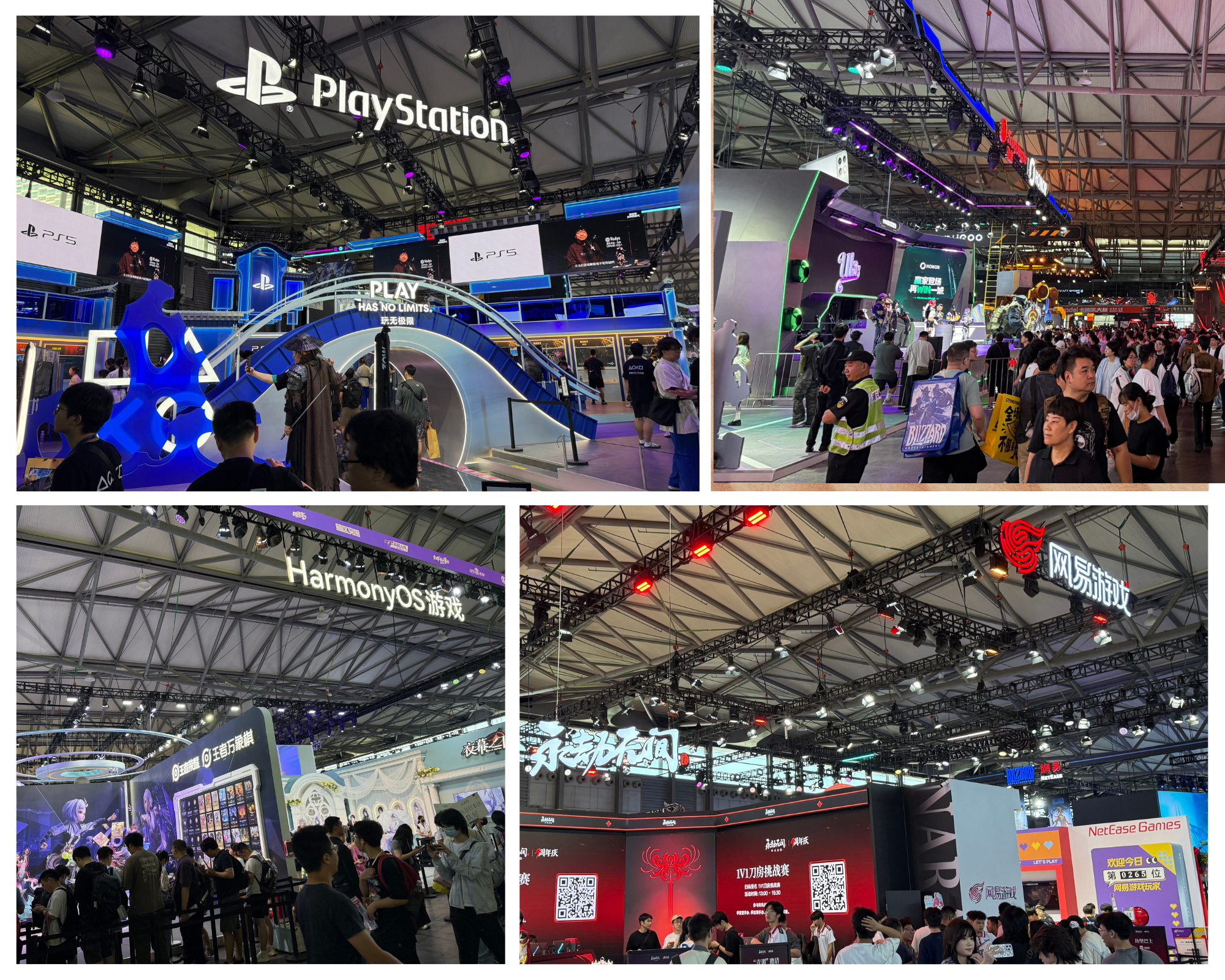
Niko Partners Vice President Xiaofeng Zeng reflected on his observations of ChinaJoy in this new blog post. Niko Partners has Learn more >
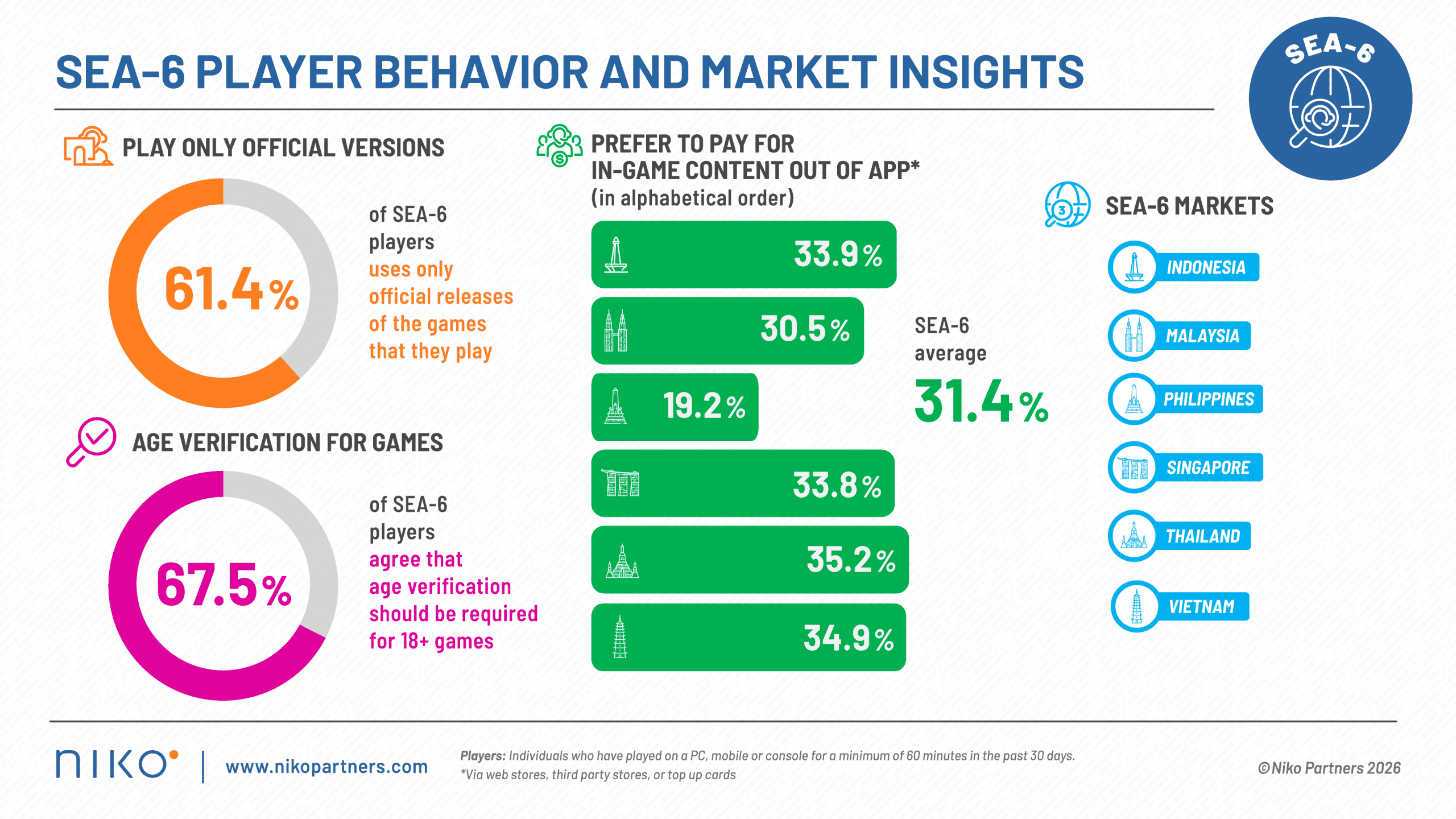
Video game markets in Southeast Asia are entering a new chapter of growth, driven by an expanding player base, increasing Learn more >

Note to Reader: This post offers a partial set of key takeaways from Niko’s 2026 Market Model Reports. Please fill out Learn more >
Niko Partners Vice President Xiaofeng Zeng reflected on his observations of ChinaJoy in this new blog post. Niko Partners has Learn more >
Video game markets in Southeast Asia are entering a new chapter of growth, driven by an expanding player base, increasing Learn more >
Note to Reader: This post offers a partial set of key takeaways from Niko’s 2026 Market Model Reports. Please fill out Learn more >